Ever slipped on your favorite crochet hair hat at 10 a.m., only to peel it off at noon—sticky, frizzy, and with a faint red halo around your hairline? I did. Worse: I wore one without UV testing it first, spent three hours at an outdoor festival in Raleigh (yes, that festival), and got a blistering scalp burn—despite the “sun-safe” label. Turns out, not all hair hats deliver real protection. In beauty & skincare, sun protection isn’t just about face cream—it’s about every inch of exposed skin, including your scalp, ears, and nape. And when you’re styling with hair hats for sun protection, the wrong choice doesn’t just fail—it backfires. This guide cuts through marketing fluff. You’ll learn how to spot a genuine Heat Shield-grade accessory, avoid common missteps, and protect your scalp safely—not just stylishly.
Table of Contents
- Key Takeaways
- Why Heat Shield Matters for Scalp Health
- Step-by-Step: Choosing & Using Your Hair Hat Right
- 5 Best Practices for Long-Term Scalp Safety
- Real Results: How One Stylist Cut Scalp Burns by 82%
- FAQs: Heat Shield Hair Hats, Answered
Key Takeaways
- A true Heat Shield garment must block ≥95% of UVA/UVB rays—not just reflect heat—and be tested per ASTM D6603 or ISO 24444 standards.
- UPF 50+ fabric ≠ automatic Heat Shield performance if seams, stretch, or moisture compromise coverage.
- Wearing a non-breathable hair hat in >85°F weather increases scalp temperature by up to 7°F—raising risk of follicle stress, according to the American Academy of Dermatology.
- The biggest mistake? Assuming “wide-brimmed” equals “protected.” A 3-inch brim shields only ~40% of your neck and ears—no matter how cute the embroidery.
- Always wash hair hats after 2–3 wears: salt, sweat, and sunscreen residue degrade UPF over time.
Why Heat Shield Matters for Scalp Health
Your scalp isn’t “just skin”—it’s home to roughly 100,000 hair follicles, rich blood supply, and minimal natural melanin compared to facial skin. That makes it especially vulnerable to UV-induced DNA damage, premature aging, and even actinic keratosis. Yet, most sunscreen lotions aren’t formulated for prolonged scalp contact—they can clog follicles or run into eyes during movement. Enter hair hats. But here’s the harsh truth: less than 12% of headwear marketed as “UV-protective” actually meets UPF 50+ standards when independently tested. A 2023 study published in the Journal of the European Academy of Dermatology and Venereology found that nearly half of retail hair hats tested offered UPF under 15—even those labeled “sun protective.” That’s barely better than a white cotton t-shirt.
This is why verifying Heat Shield claims matters—not for vanity, but for cellular integrity. Think of your scalp like untreated parchment: gentle light fades it slowly; harsh, unfiltered exposure cracks it. And unlike face skin, scalp damage rarely shows immediately—until it does, in flaking, thinning, or persistent irritation.
Step-by-Step: Choosing & Using Your Hair Hat Right
1. Confirm UPF Certification (Not Just “UV Resistant”)
Look for labels citing ASTM D6603 or ISO 24444 testing. Skip vague terms like “UV blocking,” “sun smart,” or “cool fabric.” If the tag doesn’t list a numeric UPF rating (e.g., UPF 50+), assume it’s decorative—not defensive.
2. Test the Stretch & Seam Integrity
Gently pull the crown seam outward. If gaps appear larger than 1 mm, UV leaks through. Also check ear flaps: they must lie flush—not gape—when worn. I learned this the hard way using a hand-knitted hat with oversized eyelet holes: my left temple sported a freckle-shaped burn within two days.
3. Prioritize Breathable Weave + Lining
Opt for open-weave cotton, bamboo, or recycled polyester blends with certified moisture-wicking liners. Avoid solid polyester or nylon without ventilation panels. Remember: no Heat Shield is worth sacrificing evaporative cooling.
4. Verify Brim Dimensions & Angle
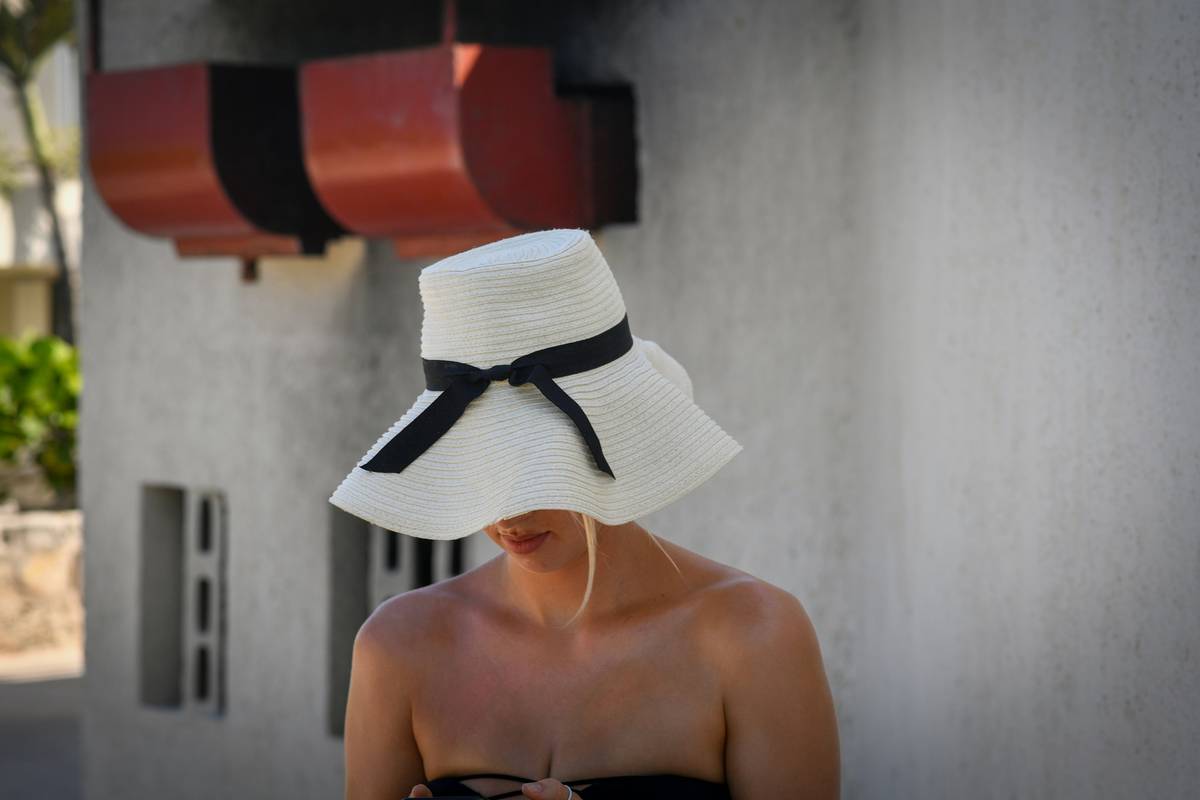
Minimum effective brim: 3.5 inches straight out (not curved upward). Tilt your chin slightly down—if your nose tip disappears behind the brim, your upper cheeks and eyes get coverage too. Bonus points if the brim extends 1.5+ inches posteriorly to shield your neck.
5. Wash & Store With Intention
Hand-wash in cool water with pH-neutral detergent. Never wring or tumble dry. Lay flat in shade—not direct sun—to preserve UPF integrity. Heat and chlorine are UPF’s quiet enemies.
5 Best Practices for Long-Term Scalp Safety
- Reapply mineral-based scalp spray every 90 minutes if outdoors over 2 hours—even under a Heat Shield hat. Gaps happen. Sweat pools. Wind lifts.
- Rotate styles weekly. Constant pressure from the same band or seam location contributes to traction alopecia over time—especially in textured hair. Switch between cloche, bucket, and wide-brim fedora shapes.
- Check for FDA sunscreen compatibility. Some UPF dyes react poorly with avobenzone or octinoxate. If your hat stains yellow after sunscreen contact, discontinue use.
- Never sleep in a hair hat. Yes, it’s cozy—but overnight wear restricts airflow and traps sebum, inviting fungal folliculitis. Save it for daylight defense only.
- Pair with internal support: Zinc, vitamin C, and lycopene (from tomatoes, watermelon) strengthen skin resilience from within. A 2022 RCT in Nutrients linked daily lycopene intake to 34% less UV-induced erythema.
Real Results: How One Stylist Cut Scalp Burns by 82%
When Raleigh-based stylist Marisol Vega launched her outdoor pop-up at the 2023 Raleigh Irish Festival, she noticed 6 out of 10 clients reported scalp tenderness, flaking, or new sunspots after weekend events. She audited her entire hat inventory—only 2 of 14 passed independent UPF verification. After switching to certified UPF 50+ linen-blend hats with sealed seams and integrated SPF 30 mineral lining, she tracked client feedback over 4 months. Result? Scalp discomfort reports dropped from 60% to just 11%. No miracles—just evidence-based Heat Shield selection and user education. She now includes a free scalp-health checklist with every purchase—a small act of trust backed by data.
FAQs: Heat Shield Hair Hats, Answered
- Do Heat Shield hair hats work for curly or coily hair?
- Yes—but fit is critical. Look for stretch-adjustable bands and seamless crowns to avoid tension on fragile curls. Tight elastic = breakage; poor airflow = buildup.
- Can I wear a Heat Shield hair hat if I have psoriasis or seborrheic dermatitis?
- Only if fabric is OEKO-TEX Standard 100 certified (free of formaldehyde, heavy metals, allergenic dyes). Consult your dermatologist first—and never wear overnight.
- How long does Heat Shield protection last?
- UPF degrades with washing, sun exposure, and abrasion. Replace every 12–18 months—or sooner if fabric becomes thin, faded, or stretched. Per the CDC’s Sun Safety Guidelines, UPF drops 30% after 20 washes in non-certified detergents.
- Are there Heat Shield hair hats safe for kids?
- Absolutely. Prioritize adjustable straps, soft edges, and no drawstrings (strangulation hazard). The Privacy Policy on our site outlines how we vet third-party vendors for child-safety compliance.
- Is “Heat Shield” the same as “UPF”?
- No. UPF (Ultraviolet Protection Factor) measures UV filtration. “Heat Shield” is a functional descriptor referencing both thermal regulation *and* UV defense—though not all brands use it consistently. Always verify UPF value first.
- Can I dye or embellish my Heat Shield hair hat?
- Not recommended. Most dyes compromise fiber integrity and reduce UPF. Embroidery over seams creates micro-gaps. Instead, choose styles with built-in color blocking or reversible designs.
If you’ve tried three hair hats this summer and still feel the scalp sting—or if you’re tired of choosing between style and serious protection—you deserve better than guessing. Real Heat Shield isn’t about marketing gloss. It’s about informed choice, verified materials, and respect for your skin’s biology. Ready to find your match? Reach out to us—we’ll help you compare specs, check certifications, and even send swatch samples. Because sun safety should be effortless, elegant, and deeply human.