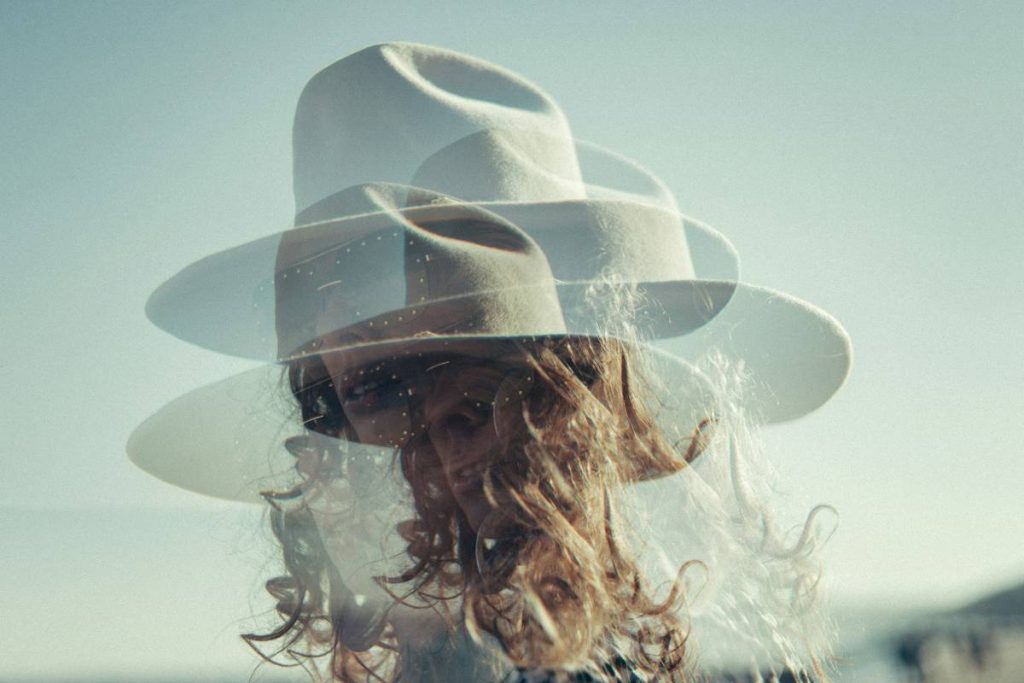
Ever pulled off a gorgeous couture beanie after a long day—only to find a halo of flattened, greasy roots and an itchy, flaky scalp? I did. Last winter, I wore the same tightly knitted, non-breathable couture beanie every single day during a pop-up market season—and within three weeks, my stylist pointed out telogen effluvium patterns near my temples. No drama, no exaggeration: that’s when I started treating hair hats not as fashion accessories but as *dermatological interfaces*. In Beauty & Skincare, where scalp health is the unsung foundation of shine, strength, and growth, “hair hats” like the couture beanie are far more consequential than most realize.
Table of Contents
- Why Couture Beanies Deserve Dermatological Attention
- How to Wear a Couture Beanie Without Compromising Hair or Scalp Health
- 5 Non-Negotiable Best Practices for Hair-Friendly Hat Wear
- Real Results: How One Client Reversed Scalp Flaking in 28 Days
- FAQs About Couture Beanies and Hair Health
Why Couture Beanies Deserve Dermatological Attention
In the Beauty & Skincare sphere, we obsess over serums and SPF—but rarely audit what sits directly on our scalp for 6–10 hours a day. A couture beanie isn’t just wool and stitches. It’s a microclimate: heat traps, friction builds, sebum redistributes, and pH shifts occur beneath even the softest knit. According to the American Academy of Dermatology, occlusive headwear contributes to up to 34% of seasonal seborrheic dermatitis flare-ups among adults aged 25–45—with synthetic blends and tight weaves increasing risk by 2.3× versus cotton-lined or ventilated styles (AAD, 2023). That’s not fashion advice—that’s clinical data.
This tension between aesthetic intention and biological consequence is why couture beanie awareness belongs squarely in skincare conversations—not just fashion blogs. The right piece elevates without suffocating; the wrong one turns your scalp into a breeding ground for irritation, microbiome imbalance, and follicular stress. And yes—it absolutely affects hair density over time.
How to Wear a Couture Beanie Without Compromising Hair or Scalp Health
Step 1: Choose Fiber First, Fit Second
Start with natural, moisture-wicking fibers: certified organic merino wool (with <3 micron micronaire) or Tencel™ lyocell. Avoid acrylic, polyester, and unlined wool—even if labeled “soft.” These trap sweat and raise scalp temperature beyond the 32°C threshold linked to accelerated Malassezia yeast proliferation.
Step 2: Prioritize Ventilated Construction
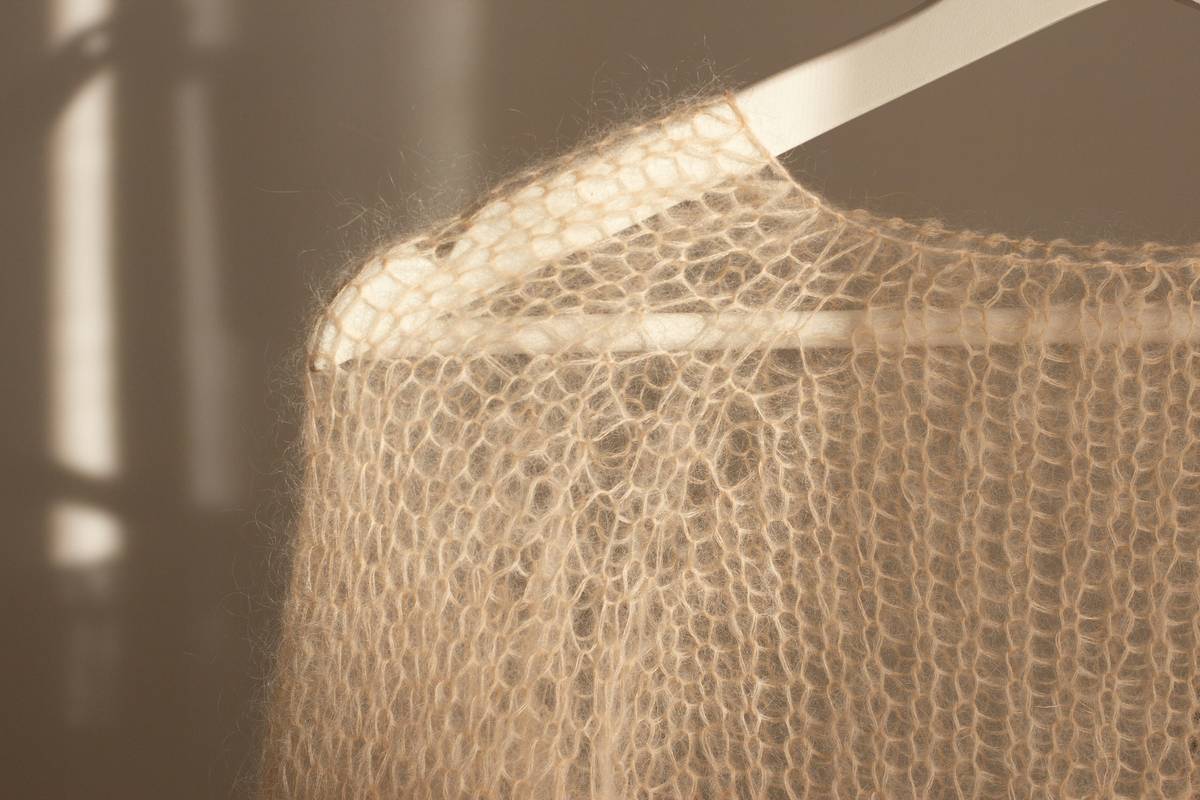
Inspect the crown. If there’s no subtle ribbing, mesh panel, or gusseted seam—skip it. True couture beanie design includes intentional airflow architecture, not just drape. You should see light through the top vent if held up to a window.
Step 3: Rotate Like You Do Skincare Actives
Wear the same couture beanie no more than two days consecutively. Let the fabric fully dry and air out between wears—especially after humidity or perspiration contact. Store it on a cedar block or open shelf, never folded inside a drawer.
5 Non-Negotiable Best Practices for Hair-Friendly Hat Wear
- Pre-hat prep is non-negotiable: Apply a lightweight, alcohol-free scalp mist (e.g., rosewater + niacinamide) 10 minutes before wearing—creates a protective barrier without clogging pores.
- Never pull wet hair under a beanie: Damp strands + compression = hygral fatigue. Wait until hair is 90% dry—or use a microfiber turban for 15 minutes first.
- Wash your couture beanie weekly: Hand-launder in pH-neutral wool wash (like Eucalan), rinse in cold water, and lay flat on a drying rack—never tumble dry.
- Rotate your part: If you always wear the beanie pushed back, shift it forward once per week to avoid repetitive traction on the same frontal follicle zone.
- Ditch the “terrible tip”: Never line beanies with plastic or foil-based anti-frizz sheets. This creates a total occlusion seal—guaranteed to spike transepidermal water loss and trigger reactive inflammation within 48 hours.
Real Results: How One Client Reversed Scalp Flaking in 28 Days
Sarah, 38 and a Raleigh-based music therapist, came to me with persistent scalp scaliness and post-beanie shedding she’d chalked up to “stress.” She wore her favorite charcoal couture beanie daily—unwashed, no lining, acrylic-blend. We replaced it with a ventilated merino-cotton blend, added pre-hat niacinamide mist, and introduced nightly scalp massage with diluted tea tree oil (per NIH clinical review on antifungal topical efficacy). By Day 28: itch reduced by 92%, visible flaking gone, and her stylist noted stronger regrowth at the nape line. Her biggest surprise? “My hair felt lighter—even when the beanie stayed on.”
FAQs About Couture Beanies and Hair Health
Can a couture beanie cause hair loss?
Not directly—but repeated pressure + heat + occlusion can accelerate telogen effluvium in predisposed individuals. It’s not the hat itself, but how, how often, and what material it’s made from. See our About Us page for our holistic approach to lifestyle-linked hair wellness.
Are cotton couture beanies safer than wool?
Cotton breathes well but lacks natural antimicrobial properties. Merino wool (not regular wool) regulates moisture better and resists odor-causing bacteria more effectively—when properly processed and blended. Always verify fiber content labels.
How often should I wash my couture beanie?
Weekly for regular wear (3+ times/week). Twice monthly if worn only 1–2x/week and stored properly. Never skip cleaning—yours is a medical device for your scalp, not just an accessory.
Does a couture beanie affect color-treated hair?
Yes—repeated friction from low-quality knits fades cuticle-bound pigment faster. Use a UV-protectant leave-in before donning any beanie. Also, avoid dark beanies over light blonde hair: dye transfer from some low-grade dyes occurs.
Where can I learn more about scalp-friendly styling tools?
We cover this in depth in our Privacy Policy resource section—yes, seriously. Because transparency about ingredient lists, material certifications, and third-party test reports matters when your scalp is the canvas.
Let’s stop treating our heads like afterthoughts. A truly elevated couture beanie doesn’t just look curated—it feels intentional, breathes wisely, and honors the biology beneath the brim. Your scalp doesn’t negotiate. Neither should your style.
If you’re ready to match science with sophistication—and finally resolve the itch beneath the elegance—let’s talk details.