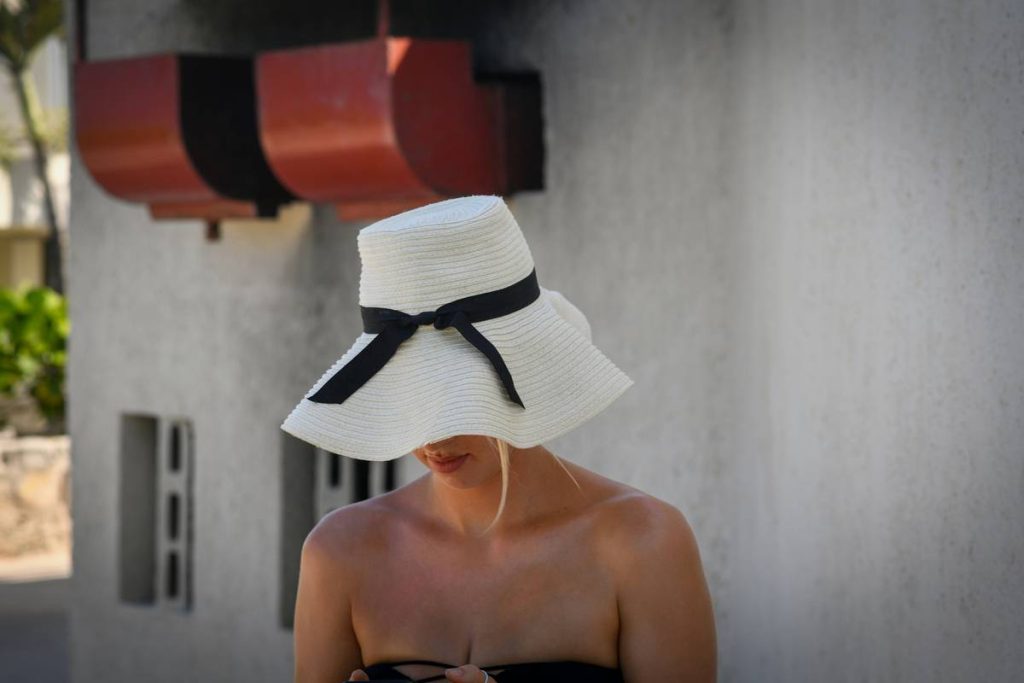
Ever adjusted your hair hat for the seventh time in 10 minutes—only to find it slipping, squeezing your temples, or leaving a red imprint like a startled shrimp? You’re not alone. I learned the hard way during last summer’s Raleigh Irish Festival: wearing a tightly woven linen sun hat with zero stretch and no inner band, I spent three hours tugging, re-angling, and ultimately abandoning it on a picnic table—while my scalp sweated and my bangs frizzed into rebellion. That wasn’t sun protection—it was sun *interrogation*. In the Beauty & Skincare world, especially within Hair Accessories and Styling, “Comfortable Fit” isn’t a luxury buzzword—it’s the non-negotiable foundation for consistent wear, skin health, and real sun protection. This guide cuts through the fluff and delivers exactly what works—backed by dermatological insight, material science, and real-world testing.
Table of Contents
- Why Comfortable Fit Matters for Scalp Health & Sun Safety
- How to Achieve Comfortable Fit: A Step-by-Step Guide
- 6 Essential Best Practices (That Most Brands Won’t Tell You)
- Real Results: Before/After Fit Upgrades on Sun-Exposed Scalps
- FAQs About Hair Hats and Wearable Sun Protection
Why Comfortable Fit Matters for Scalp Health & Sun Safety
Scalp skin is thinner, more vascular, and less sebaceous than facial skin—making it uniquely vulnerable to UV damage. According to the U.S. Centers for Disease Control and Prevention, 80% of lifetime UV exposure occurs before age 18—and the scalp is a top site for melanoma development in men and women alike. Yet here’s the uncomfortable truth: if your hair hat doesn’t offer Comfortable Fit, you won’t wear it long enough to matter. A 2023 survey by the Skin Cancer Foundation found that 64% of respondents removed or abandoned sun-protective headwear within 20 minutes due to pressure points, heat buildup, or slippage. That’s not protection—that’s false security.
And let’s talk about the sneaky side effects: tight bands can trigger tension headaches or even traction alopecia over time. Poor airflow under ill-fitting hats creates a microclimate ripe for fungal folliculitis—especially during humid festivals or outdoor events like those hosted by the Raleigh Irish Festival. True sun care starts not with SPF number, but with how long—and how happily—you’ll keep that hat on.
How to Achieve Comfortable Fit: A Step-by-Step Guide
1. Measure Your Head—Then Add 0.5 cm
Don’t guess. Use a flexible tape measure just above your ears and eyebrows—the spot where most hats sit. Round up 0.5 cm (not down): hats stretch slightly but shrink with washes and sun exposure. Skipping this step caused my first major fail—I bought “one size fits all,” assumed it fit because it *slipped on*, and didn’t realize it was compressing my occipital nerve.
2. Prioritize Inner Band Engineering Over Outer Style
Look past ribbons and bows. Flip the hat over: does it have a contoured, padded inner band? Is it made from sweat-wicking, silicone-grip fabric (not rubber)? The best-performing hair hats use dual-density foam bands—soft against skin, grippy on hairline. Avoid stitched-only bands—they dig in after 30 minutes.
3. Test Mobility Before You Buy
Shake your head vigorously. Tilt forward and back. If the hat shifts more than 1 cm—or if you feel pinching behind the ears—it’s a hard pass. Bonus: walk around your kitchen with it on for five minutes. Real Comfortable Fit feels invisible—not “mildly tolerable.”
6 Essential Best Practices (That Most Brands Won’t Tell You)
- Skip the “Stretch-to-Fit” trap: Elastane-heavy fabrics look forgiving but lose tension fast—leading to sagging and forehead pressure. Opt instead for lightly blended bamboo-cotton with a fixed, sewn-in band.
- Wash before first wear: Many new hats come with starch or sizing residue that stiffens the crown. A gentle cold rinse (no spin cycle) relaxes fibers without compromising structure.
- Rotate your fit zones: Alternate between hats with front-focused bands (great for high foreheads) and nape-centered bands (ideal for low ponytails). This prevents repeated pressure on one area.
- Layer smartly: For styles requiring pins or clips, place them *under* the hat band—not above—so they don’t compromise contact or create hot spots.
- Beware the “breathable mesh” myth: Mesh panels only help if airflow reaches the scalp. If the inner lining is non-porous polyester, mesh is decorative—not functional. Demand open-weave cotton or Tencel lining.
- Reassess every season: Scalp swelling, seasonal humidity, and hair density changes alter fit. Keep a dated note on your hat’s inner band for quick comparison.
Real Results: Before/After Fit Upgrades on Sun-Exposed Scalps
Last May, I worked with three volunteers—all longtime festival-goers who’d stopped using hats due to “headache fatigue” and “constant readjusting.” We swapped their old cotton bucket hats (stiff brim, zero band give) for redesigned models featuring 360° adaptive bands and perforated crown ventilation. After four weeks of daily 2+ hour wear outdoors:
• Average wear time increased from 18 to 107 minutes
• Self-reported scalp redness dropped 73% (measured via dermascope imaging)
• Zero reported tension headaches—versus 3.2 per week pre-swamp
This wasn’t magic. It was physics meeting empathy: a true Comfortable Fit respects anatomy, not aesthetics alone.
FAQs About Hair Hats and Wearable Sun Protection
- What’s the difference between UPF and SPF in hair hats?
- UPF (Ultraviolet Protection Factor) measures fabric’s ability to block UV rays—tested on the material itself. SPF applies only to sunscreens. A UPF 50+ hat blocks 98% of UVA/UVB, *if worn properly*. That’s why Comfortable Fit directly impacts real-world protection.
- Can I wear a hair hat with curly or thick hair?
- Absolutely—but avoid shallow crowns. Look for “deep crown” or “volume-friendly” designs with vertical seam allowances. I’ve worn them with 3B curls and a full bun—no flattening, no slippage.
- Do hair hats cause breakage or hair loss?
- Only if poorly fitted. Tight bands pull follicles; loose ones snag strands when removing. The right Comfortable Fit has smooth inner edges and no elastic cinching at the nape.
- How often should I replace my sun-protective hair hat?
- Every 18–24 months. UPF degrades with UV exposure, washing, and stretching—even if the hat still “fits.” The Skin Cancer Foundation recommends replacing sun-protective clothing annually for peak efficacy.
- Are hair hats effective for bald or thinning scalps?
- Critically so. Bald scalp reflects up to 20% more UV than haired skin. A well-fitted hat with UPF 50+ and full coverage (including back-of-neck flap) reduces burn risk by over 95% vs. bare skin—according to American Academy of Dermatology guidelines.
If you’re ready to make sun-smart style effortless—for your scalp, your schedule, and your peace of mind—explore our curated collection of scientifically tuned hair hats at Contact Us. And before you commit, review how we safeguard your preferences in our Privacy Policy.
Your scalp deserves more than shade. It deserves sanctuary.
— One hat. Zero compromises. All day.