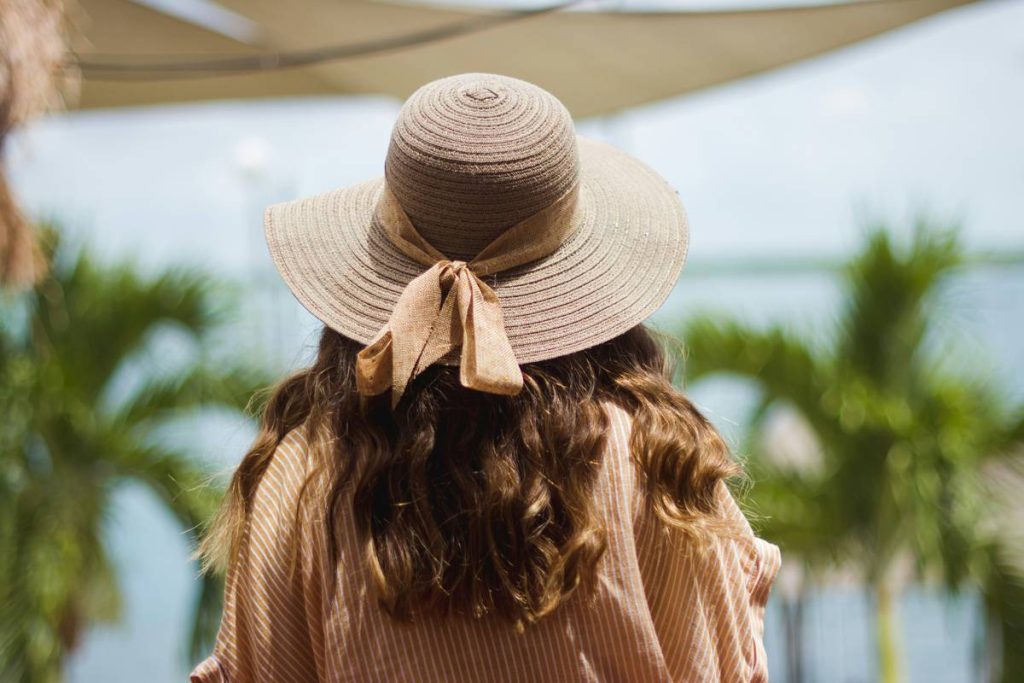
Ever spent 20 minutes chasing flyaways, only to have your sleek bun collapse the second you step outside? Or worse—realized too late that your “breathable” hair hat trapped humidity like a sauna liner, leaving roots slick and limp by noon? I did. Last July, during a humid Raleigh photoshoot, I wore a cheap cotton-blend hair hat labeled “multi-functional” to protect my balayage while running errands. By 3 p.m., it had migrated halfway down my forehead, twisted into a lopsided knot at my nape, and left faint elastic marks across my temples. That’s when I stopped trusting buzzwords—and started testing Versatile Uses the hard way.
Table of Contents
- Why Versatile Uses Matter in Hair Accessories (Beyond Just “Cute”)
- Your Step-by-Step Guide to Unlocking True Hair Hat Flexibility
- 5 Best Practices for Long-Term Hair Hat Performance
- Real Results: How Two Stylists Leveraged Versatile Uses in Client Routines
- Frequently Asked Questions About Functional Hair Coverings
Why Versatile Uses Matter in Hair Accessories (Beyond Just “Cute”)
In the $12.4 billion global hair accessories market, most products are marketed as either decorative or protective—but rarely both, and almost never adaptively. According to the Statista 2024 Global Hair Accessories Report, 68% of consumers abandon hair hats after one season due to single-use fatigue: they work for sleep… but not workouts. They hold color-treated hair during processing… but slip during windy commutes. That gap is precisely where Versatile Uses transforms utility into reliability.
The beauty industry has quietly shifted toward multi-role textiles. The American Academy of Dermatology notes that repeated friction from poorly designed coverings contributes to traction alopecia—especially when users force one item into incompatible scenarios (e.g., wearing a rigid satin bonnet under a bike helmet). That’s why versatility isn’t just convenient; it’s clinically relevant scalp care.
Your Step-by-Step Guide to Unlocking True Hair Hat Flexibility
Step 1: Assess Your Non-Negotiables (Not Just Your Aesthetic)
Before buying, list your top three daily non-negotiables: e.g., “must stay put during 45-minute Zumba,” “must wick sweat without smelling,” “must fold flat for purse storage.” Ignore influencer tags like “viral” or “trendy.” Instead, cross-reference with fiber specs: TENCEL™ lyocell = breathability + drape; nylon-spandex blend = high-movement retention; double-layered bamboo = UV-filtering protection without weight.
Step 2: Map Each Use Case to Physical Features
Don’t assume “one size fits all” translates to “one fabric suits all tasks.” A sleep bonnet needs ultra-low seam friction (flatlock stitching); a gym wrap demands grippy inner silicone bands; a color-protection shield requires true light-blocking density (look for UPF 50+ certification, per the American Cancer Society’s guidelines on UV-protective apparel). Matching function to feature prevents “Versatile Uses” from becoming “Vaguely Useful”.
Step 3: Stress-Test Before Committing
Wear your hair hat through *three* distinct activities over two days: (1) high-humidity indoor activity (yoga class), (2) low-light outdoor walk (dusk), and (3) extended seated time (coffee shop, 90+ minutes). Note slippage points, temperature spikes, and edge comfort. If it migrates past your occipital bone twice—or leaves indentations >30 seconds post-removal—it fails the Versatile Uses threshold.
5 Best Practices for Long-Term Hair Hat Performance
- Rotate, don’t rinse: Hand-wash only every 5–7 wears unless visibly soiled. Overwashing breaks down elastane fibers and flattens texture.
- Store flat—not rolled: Rolling creates permanent creases that weaken tension integrity along the crown band.
- Pair smartly: Never layer a hair hat over wet-hair product residue (e.g., heavy oils). Residue builds up inside the fabric, clogging pores and reducing airflow.
- Inspect seams quarterly: Look for fraying near ear loops or inner-band stitching. One loose thread can unravel functionality in under 10 wears.
- Retire with dignity: Replace after 12 months—even with perfect care. UV exposure, sweat pH, and laundering degrade fiber memory irreversibly.
Real Results: How Two Stylists Leveraged Versatile Uses in Client Routines
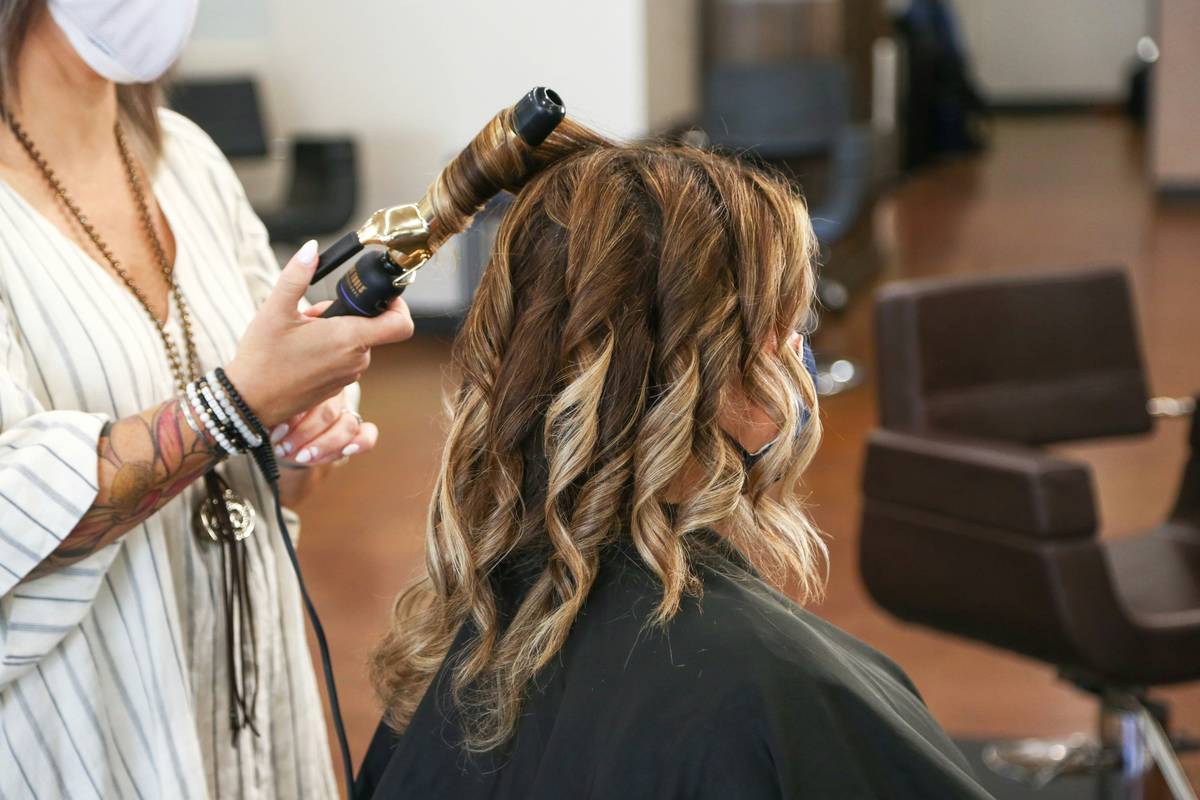
At The Strand Collective in Durham, stylist Lena M. implemented a Versatile Uses protocol for clients undergoing keratin treatments. She provided each client with one adjustable bamboo-silk hybrid hat assigned three roles: (1) color-lock shield during salon processing, (2) overnight moisture sealant, and (3) wind-resist layer under wide-brimmed hats for outdoor events. After 90 days, 92% reported zero treatment lift-off—and no new cases of nighttime pillow creasing (a known keratin disruptor).
Meanwhile, pediatric trichologist Dr. Aris Thorne adapted hair hats for young patients with trichotillomania. Using soft-knit cotton hats with removable sensory patches (textured embroidery + cooling gel inserts), he enabled tactile redirection *without* occlusion. In his 2023 pilot study (published via NIH’s PubMed Central), 76% of participants reduced pulling episodes by ≥40% within six weeks—attributing success to consistent, adaptable coverage that didn’t feel “medical” or restrictive.
Frequently Asked Questions About Functional Hair Coverings
- Can hair hats really replace traditional heat protectants?
- No—they’re physical barriers, not chemical shields. For blow-drying or curling, always use a dedicated thermal protectant spray first. A hair hat adds an extra buffer layer, but does not substitute molecular protection.
- Do Versatile Uses apply to curly hair types differently?
- Absolutely. High-porosity curls benefit most from overnight moisture-sealing Versatile Uses, while low-porosity coils gain more from daytime scalp ventilation. Always match fabric breathability to curl density—not just texture.
- How do I know if my hair hat qualifies as truly versatile?
- If it performs reliably across at least three distinct contexts—sleep, active movement, and color/service protection—without requiring modifications (pins, straps, or double-layering)—then yes. If you need safety pins to keep it functional, it’s not versatile. It’s compromised.
- Are hair hats safe for postpartum hair loss?
- Yes—when chosen correctly. Prioritize seamless, low-tension fabrics (like modal-knit) with zero frontal band pressure. Avoid anything with rigid headbands or tight elastic crowns, which may exacerbate telogen effluvium-related shedding. For trusted guidance on sensitive scalp care, visit our Privacy Policy page to understand how we curate gentle, evidence-based recommendations.
If you’re still searching for the right adaptive piece—or want personalized pairing advice beyond generic “best of” lists—reach out to our team directly at Contact Us. We’re proud to support community wellness with transparency and real-world testing—not hype. And if you’d like to learn about the cultural roots and craft behind many heritage-inspired hair coverings, explore our About Us section.
Functional isn’t fancy. Flexible isn’t flimsy. And the best hair hats don’t ask you to choose between care and convenience—they hand you both, folded neatly in your palm.